Griddle Recipes: Everything This Truck Cooks on the Flat-Top
"Five recipes that live and die by the flat-top — smashed, pressed, melted or folded — grouped by what the griddle is actually doing to them, not by meal."
One Griddle, Every Kind of Meal
Not everything cooked in a pan is a griddle recipe. A griddle recipe is one where the flat, screaming-hot surface is doing something a regular skillet with sloped sides can't — smashing a patty into a lacy, dark-edged disc, pressing a sandwich until the crust cracks like a dry leaf, or melting cheese slowly enough that it turns to glue instead of grease.
These five earn the name. They split into two families: the ones built around smashing meat directly against the hot steel, and the ones built around pressing or folding something around melted cheese until the outside matches the inside. Pick a family below, or work through both — either way, a flat-top or a heavy cast iron pan and a stiff spatula is the only equipment any of them ask for.
Smashed on the Flat-Top
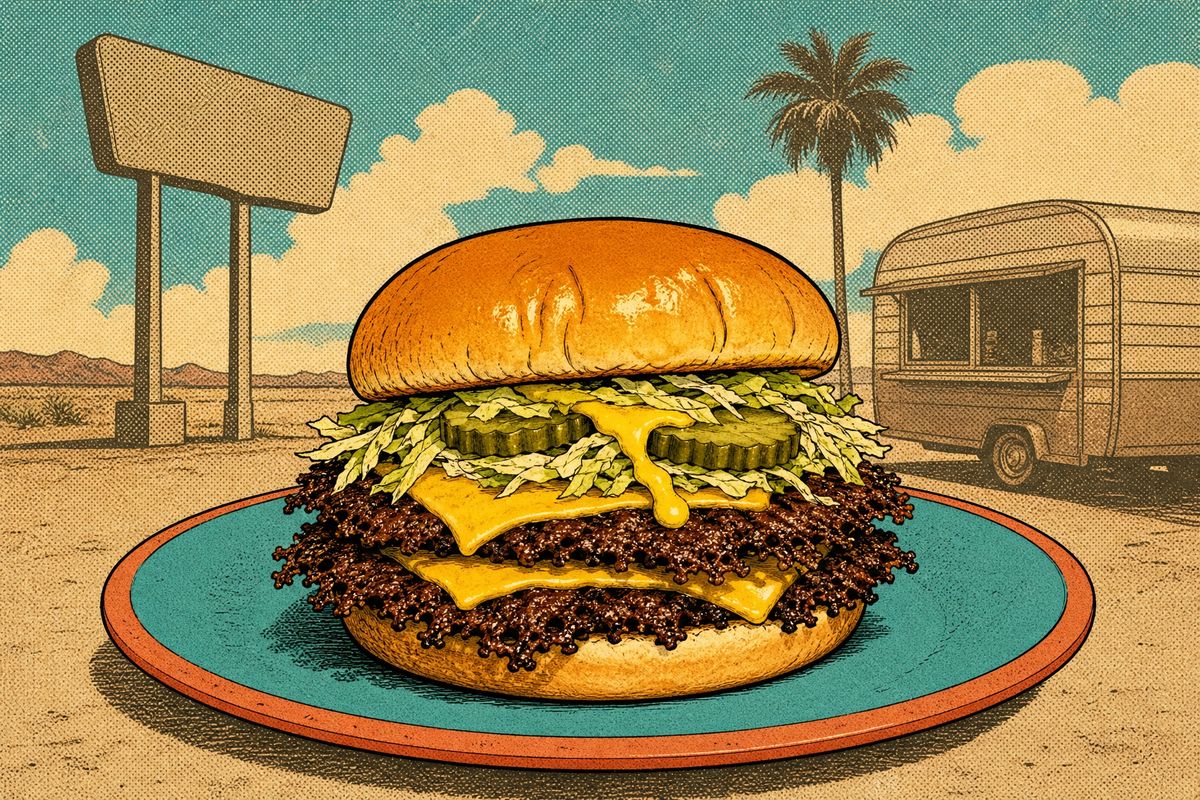
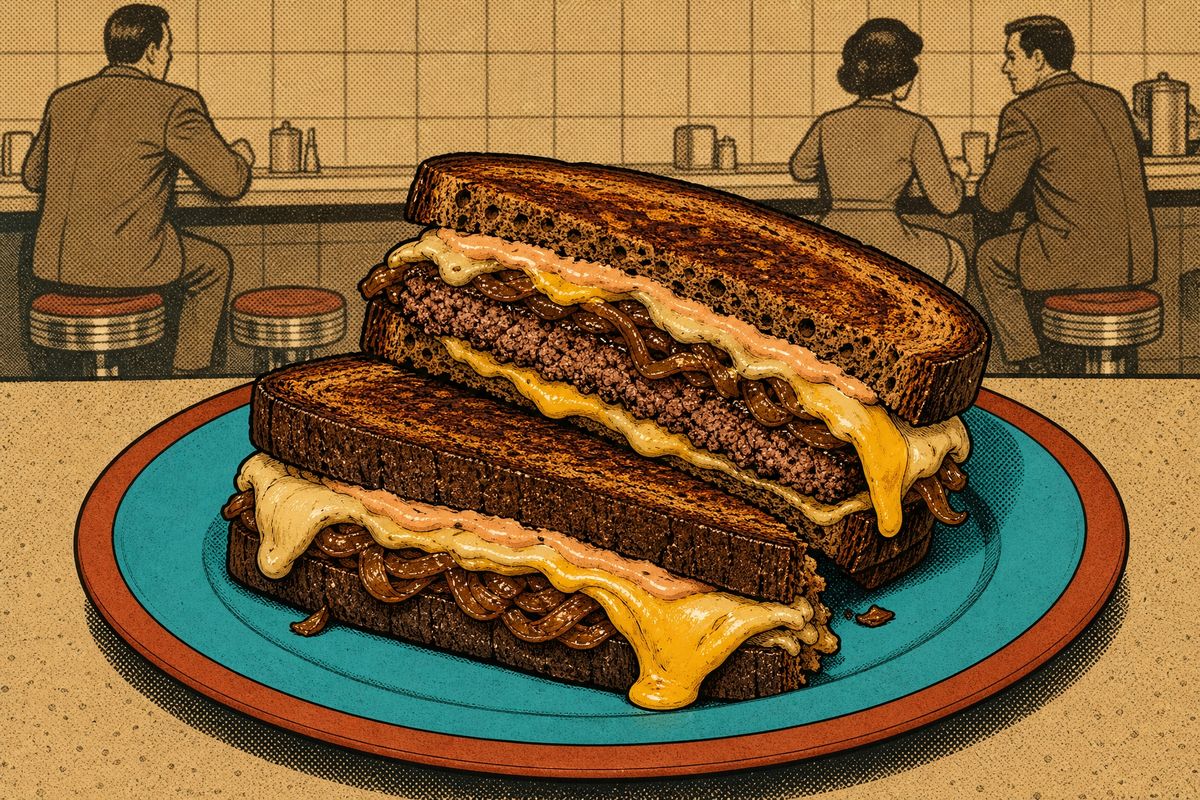
Smashing means a cold ball of ground beef, dry hot steel, and hard pressure for exactly ten seconds — the paper-thin, lace-edged crust it produces is the whole point, and it only happens on a flat surface with room to press straight down. The smash burger takes that technique in its purest form: two patties, screaming-hot steel, and nothing between the beef and the griddle but salt. The patty melt applies the same smash to the meat but slows everything else down around it, taking fifteen minutes to caramelize onions in butter on the same griddle before the patties ever hit the heat.
Both share one rule that isn't optional: never oil the griddle first. Cold beef needs dry, hot steel to grip and tear into that lace edge — a slick pan just lets it slide.
Pressed, Melted & Folded
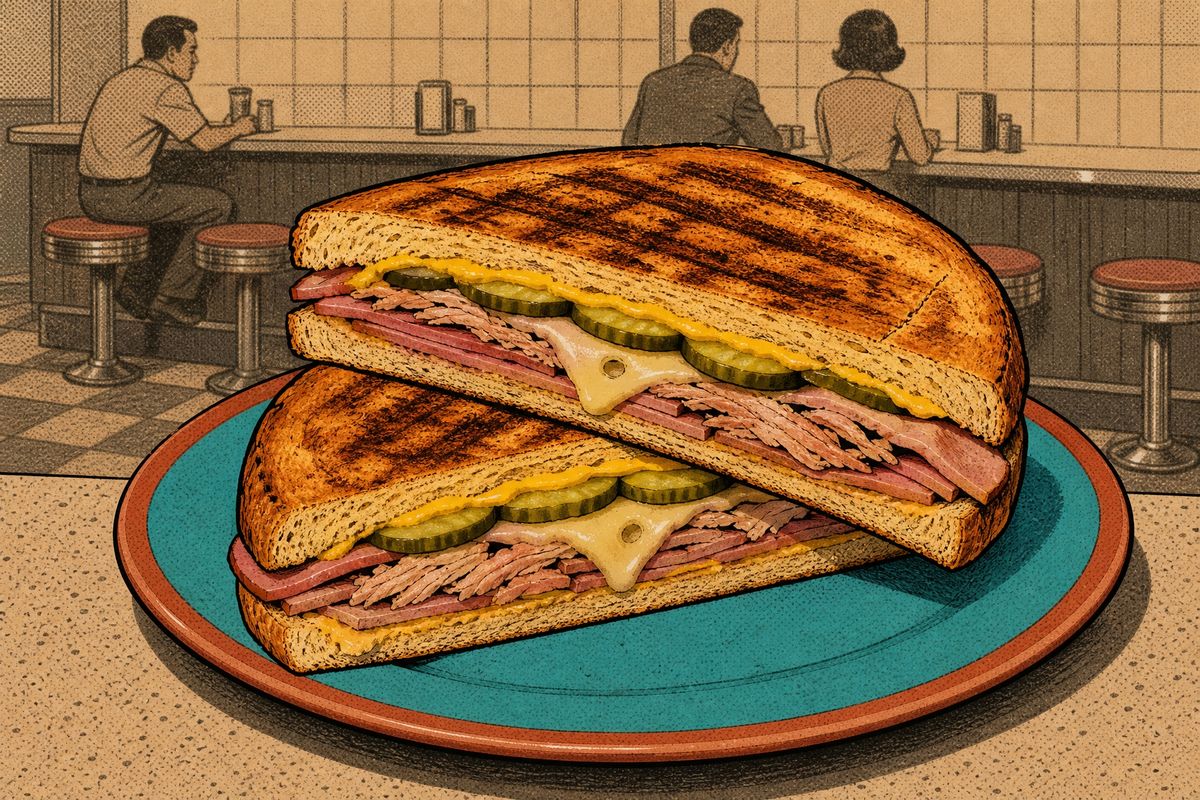
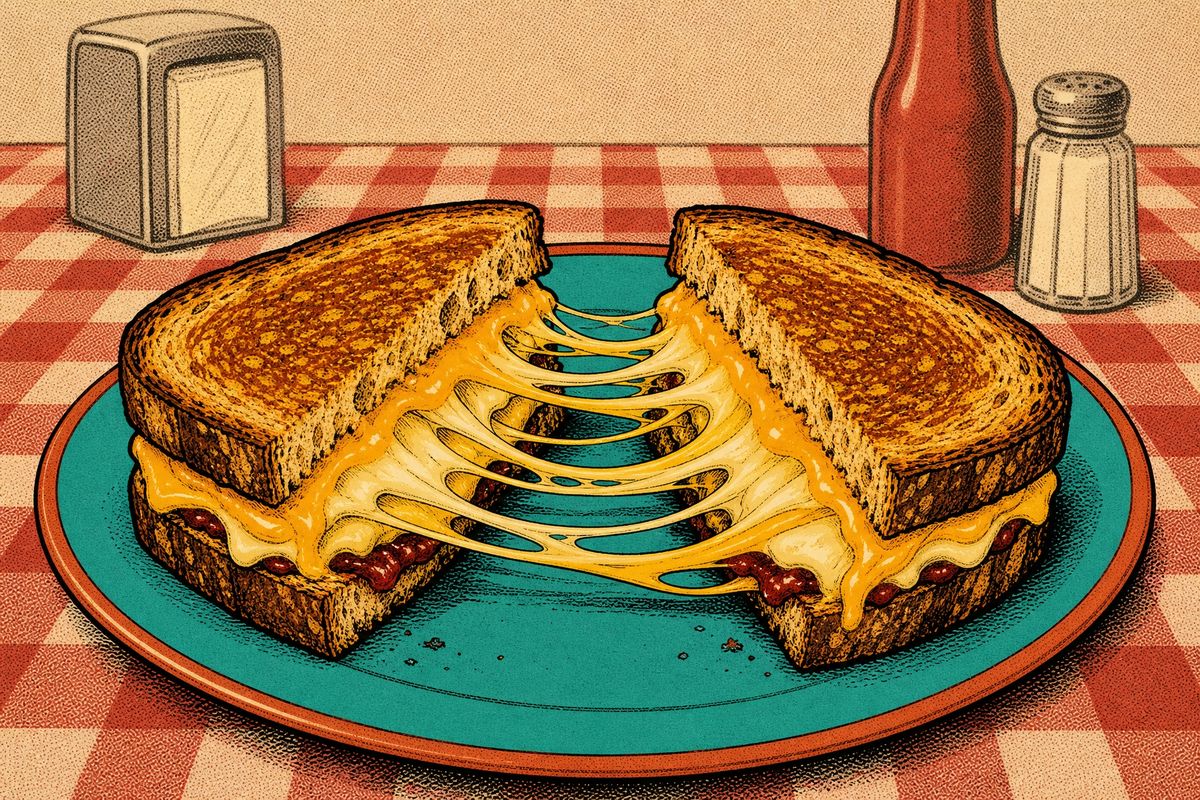
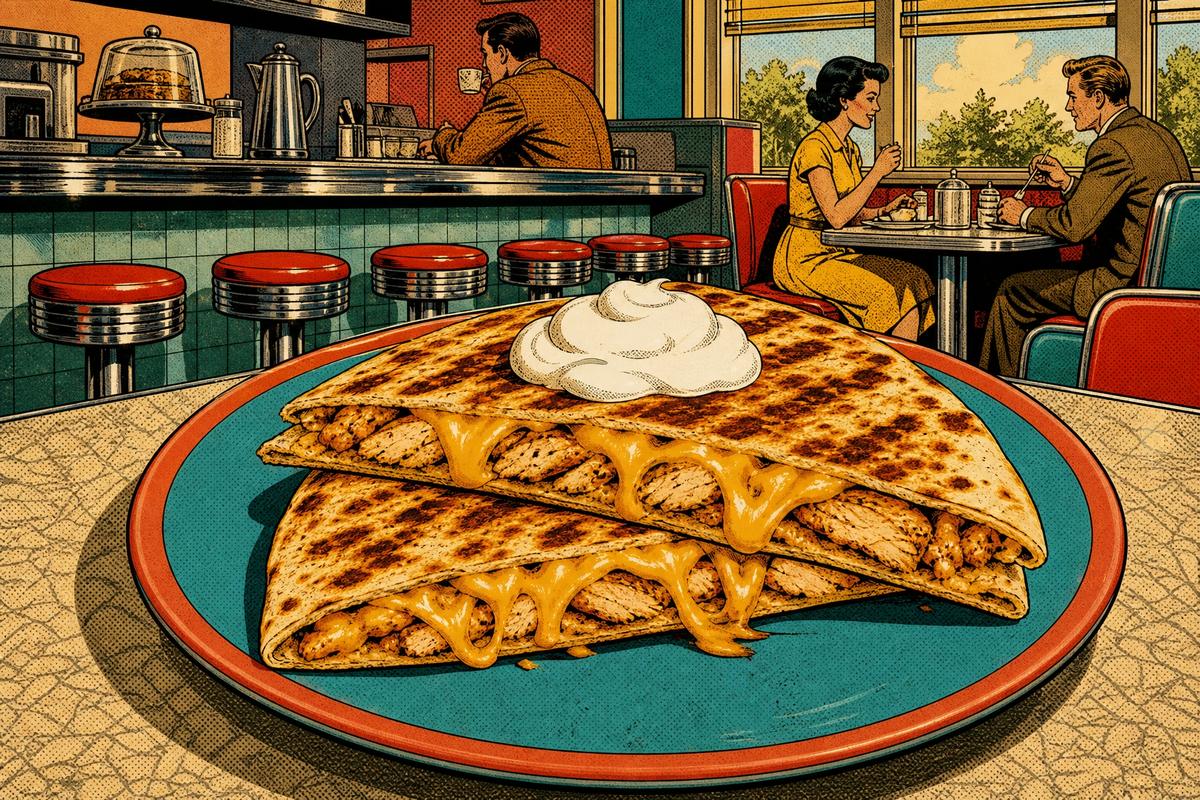
The second family isn't about the meat — it's about what the griddle does to cheese and bread once they're already assembled. A pressed Cubano gets a heavy weight on top so the crust cracks like a dry leaf while three kinds of filling steam underneath. A three-cheese melt gets no weight at all, just a dome cover and enough patience at a low 325°F / 160°C that the cheese turns to liquid gold before the bread scorches. A folded chicken quesadilla borrows the exact same trick as the melt — butter the outside, low heat, patience — and applies it to a tortilla instead of bread.
What all three have in common: the outside of the sandwich has to finish browning at the same moment the inside finishes melting. Rush the heat and one loses to the other.
Where To Go Next
One hub, one guide, same truck. Here's what else lives outside this list.